

 Doctor
 lab
lab

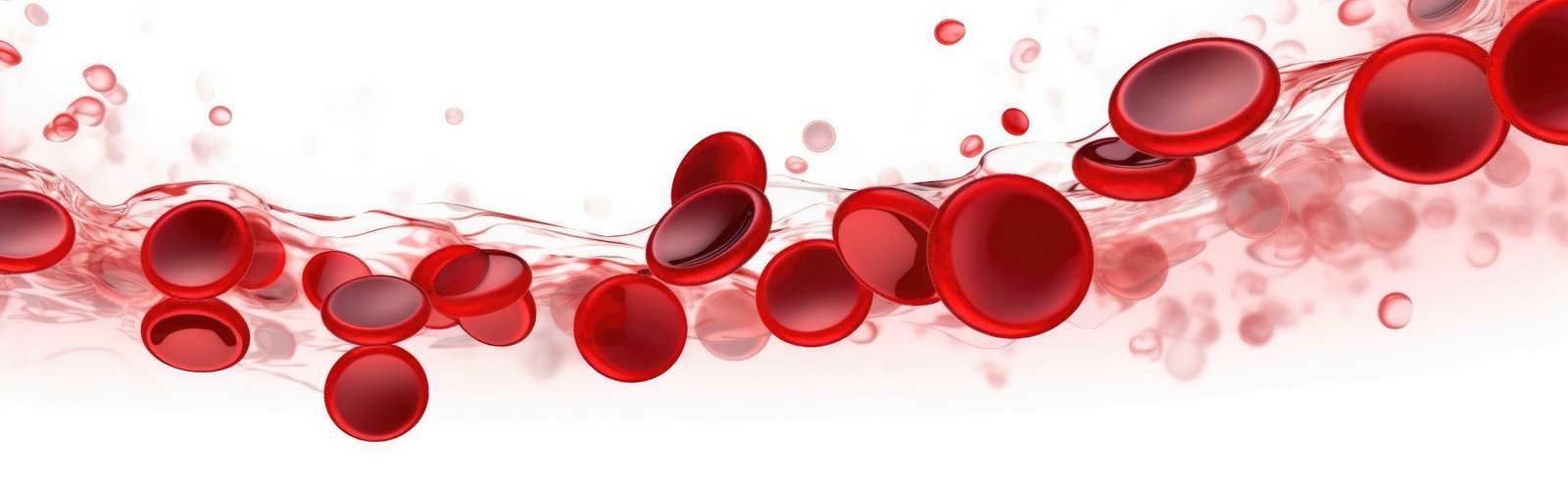
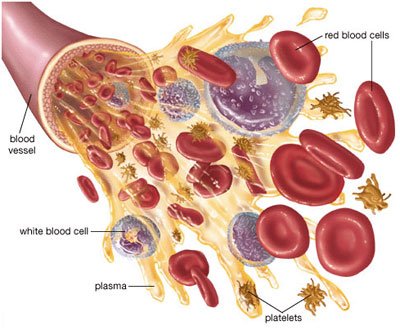
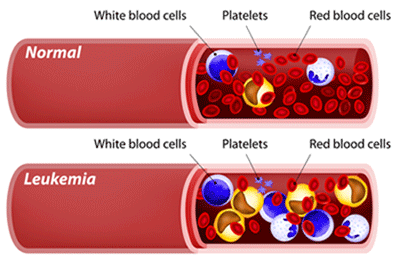
Blood is an important fluid that keeps us alive. Amount of blood in your body depends on your size, weight and altitude at which you live. An adult who weight 80 kg has about 4.5 to 6 liters of blood, a 40 kg child, about half the amount. People who live in high area where the air is thinner need more blood to deliver more oxygen to the body. This essential fluid carries out the critical functions of transporting oxygen and nutrients to our cells and getting rid of carbon dioxide, ammonia and other waste products. In addition, it plays a vital role in our immune system and in maintaining a relatively constant body temperature. Blood is a highly specialized tissue composed of more than 4,000 different kinds of components. Four of the most important ones are Plasma, Red cells, White cells and Platelets.
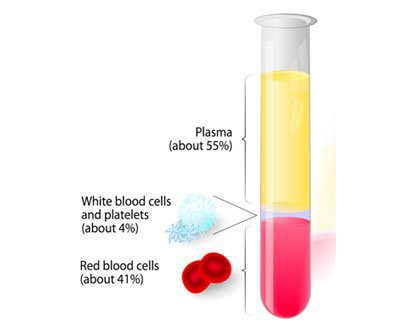
Plasma is produced in liver and it is pale-yellow liquid component of blood that normally holds the blood cells in whole blood in suspension; makes up about 55% of the body's total blood volume. It is mostly water (up to 95%), and contains dissolved proteins (albumins, globulins and fibrinogen), glucose, clotting factor, electrolytes, hormones, lipids, vitamins, minerals, enzymes, antibody and carbon dioxide.
It plays a vital role in an intravascular osmotic effect that keeps electrolytes in balanced form and protects the body from infection and other blood disorders.
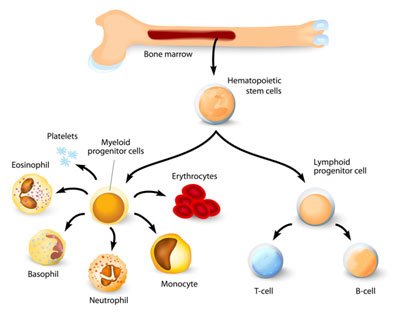
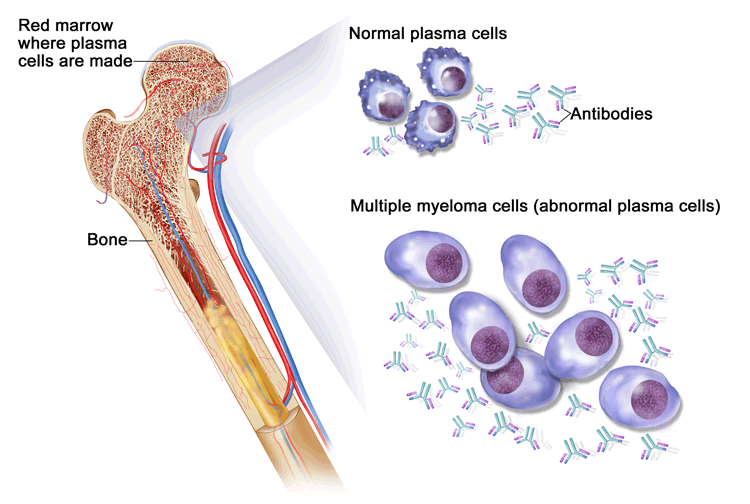
White cells, Red cells and Platelets are made in the bone marrow - a jellylike substance that fills the cavities of bones. Bone marrow consists of fat, blood and special cells (stem cells) that turn into the various kinds of blood cells.
Blood cells in babies and very young children are made in the bone marrow of most of the bones in the body. As we get older, some of the bone marrow converts to yellow marrow and just the bones that make up the spine (vertebrae), ribs, pelvis, skull and sternum contain red marrow.
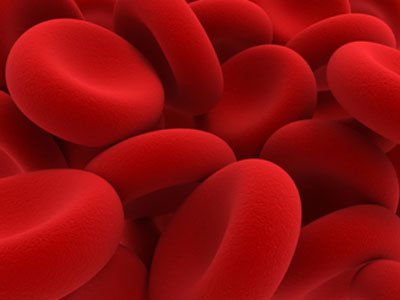
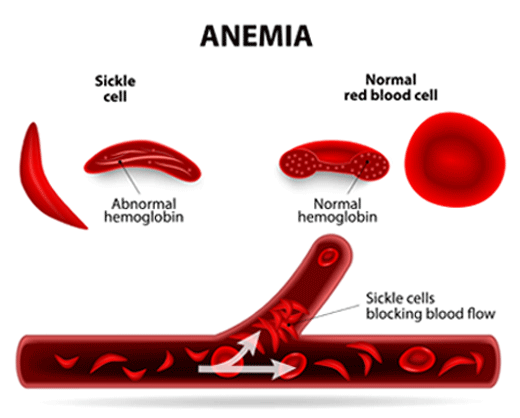
Red cells are relatively large microscopic cells without nuclei. Red cells normally make up 40-50% of the total blood volume. They transport oxygen from the lungs to all of the living tissues of the body and carry away carbon dioxide. The red cells are produced continuously Stem Cells at a rate of about 2-3 million cells per second. Hemoglobin is the gas transporting protein molecule that makes up 95% of a red cell. Each red cell has about 270,000,000 iron-rich hemoglobin molecules. People who are anemic generally have a deficiency in red cells, and subsequently feel fatigued due to a shortage of oxygen.
The red color of blood is primarily due to oxygenated red cells. Human fetal hemoglobin molecules differ from those produced by adults in the number of amino acid chains. Fetal hemoglobin has three chains, while adults produce only two. As a consequence, fetal hemoglobin molecules attract and transport relatively more oxygen to the cells of the body.
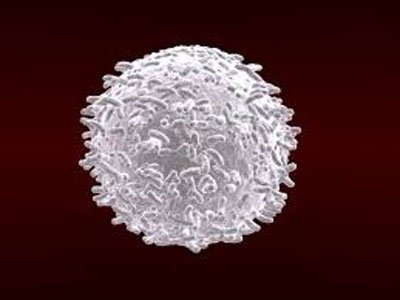
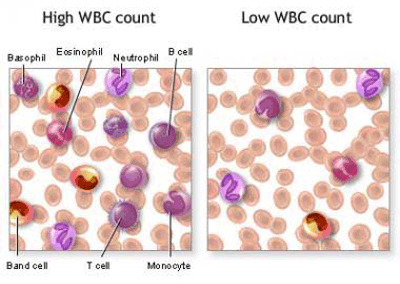
White cells are existing in variable numbers and types but make up a very small part of blood's volume normally only about 1% in healthy people. Leukocytes are not limited to blood. They occur elsewhere in the body as well, most notably in the spleen, liver, and lymph glands. Most are produced in our bone marrow from the same kind of stem cells that produce red blood cells. Others are produced in the thymus gland, which is at the base of the neck. Some white cells (called lymphocytes) are the first responders for our immune system. They seek out, identify, and bind to alien protein on Bacteria, Viruses and Fungi so that they can be removed. Other white cells (called granulocytes and macrophages) then arrive to surround and destroy the alien cells.
They also have the function of getting rid of dead or dying blood cells as well as foreign matter such as dust and asbestos. Red cells remain viable for only about 4 months before they are removed from the blood and their components recycled in the spleen. Individual white cells usually only last 18-36 hours before they also are removed, though some types live as much as a year. The description of white cells presented here is a simplification. There are actually many specialized sub-types of them that participate in different ways in our immune responses.
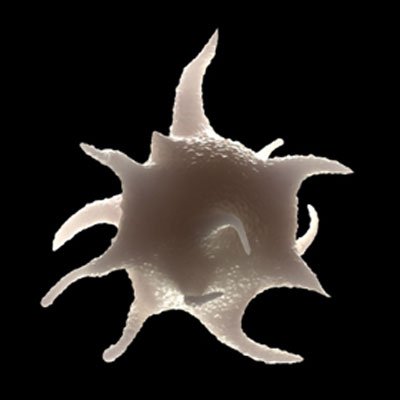
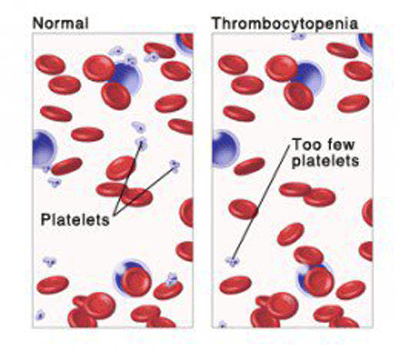
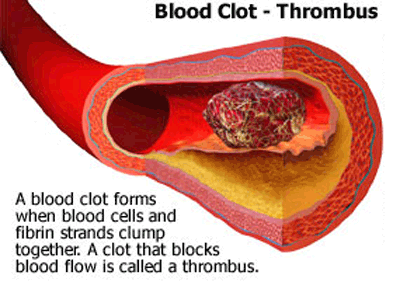
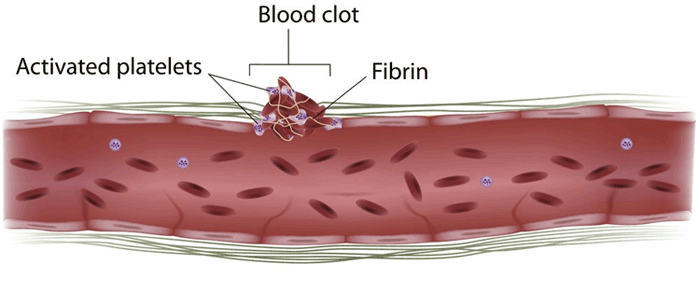
Platelets are cell fragments without nuclei that work with blood clotting chemicals at the site of wounds. They do this by adhering to the walls of blood vessels, thereby plugging the rupture in the vascular wall. They also can release coagulating chemicals which cause clots to form in the blood that can plug up narrowed blood vessels. Thirteen different blood clotting factors, in addition to platelets, need to interact for clotting to occur. They do so in a cascading manner, one factor triggering another. Hemophiliacs lack the ability to produce either blood factor 8 or 9. Platelets are not equally effective in clotting blood throughout the entire day. The body's circadian rhythm system (its internal biological clock) causes the peak of platelet activation in the morning. This is one of the main reasons that strokes and heart attacks are more common in the morning. Recent research has shown that platelets also help fight infections by releasing proteins that kill invading bacteria and some other microorganisms.
In addition, platelets stimulate the immune system. Individual platelets are about 1/3 the size of red cells. They have a lifespan of 9-10 days. Like the red and white blood cells, platelets are produced in bone marrow from stem cells.
Blood disorders affect one or more parts of the blood and prevent your blood from doing its job. They can be acute or chronic. Many blood disorders are inherited. Other causes include other diseases, side effects of medicines, and a lack of certain nutrients in your diet.
The circulatory system is the body's transport system. It is made up of a group of organs that transport blood throughout the body. The heart pumps the blood and the arteries and veins transport it. Oxygen-rich blood leaves the left side of the heart and enters the biggest artery, called the aorta. The aorta branches into smaller arteries, which then branch into even smaller vessels which travel all over the body. When blood enters the smallest blood vessels, which are called capillaries and are found in body tissue, it gives nutrients and oxygen to the cells and takes in carbon dioxide, water and waste. The blood, which no longer contains oxygen and nutrients, then goes back to the heart through veins. Veins carry waste products away from cells and bring blood back to the heart, which pumps it to the lungs to pick up oxygen and eliminate waste carbon dioxide.
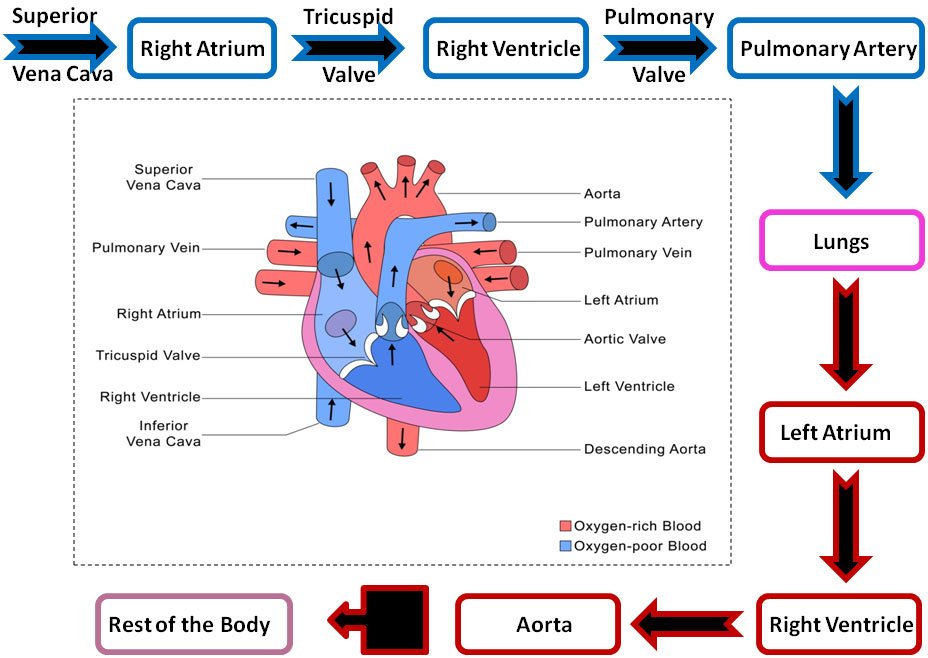
The circulatory system is, no doubt, one of the most crucial organ systems, which is responsible for carrying out certain vital activities. It comprises the blood, blood vessels, and heart. All these components play a major role in the normal functioning of the human heart and the circulatory system as a whole. The heart pumps blood to various organs via the blood vessels, during which oxygen and nutrients are distributed to the body parts.
As per medical researchers, diseases and disorders of the circulatory system account to the highest mortality rate as compared to other ailments. Both hereditary and genetic factors are responsible for causing human circulatory system diseases. Nevertheless, with the current statistics claiming increased figures of heart and circulation problems, it is very important for us to learn about the related problems.
The primary function of the circulatory system is to supply oxygen, hormones and other essential nutrients to the body cells and tissues. In this cycle, it also does the work of replacing carbon dioxide with oxygen. Any disturbance or irregularity in this circulatory cycle leads to medical conditions, which may be mild to severe. For your reference, the following is a list of circulatory system disorders.
Angina, characterized by severe and recurrent chest discomfort and pain, is caused due to lack of blood supply and/or oxygen supply in the muscles of the heart. Basically, it is manifested as a complication caused by constriction of the blood vessels. Angina is often considered as a warning sign of an impending heart attack. So, it should be brought to the doctor's attention as soon as possible.
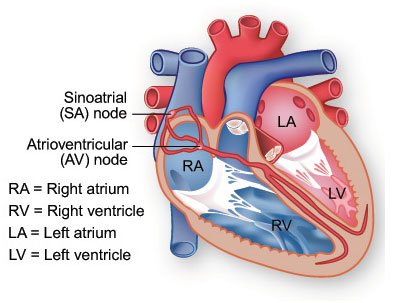
The major symptom of cardiac arrhythmia is irregular heart rhythm, in which the heart beats abnormally, either at a slower rate or faster rate. In most cases, it is found to be a congenital problem and results from a heart defect. Based on the severity of arrhythmia, medication, surgical procedure, and implanting pacemakers are adopted in order to regulate heart rhythm.
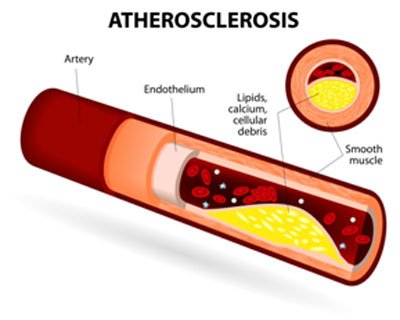
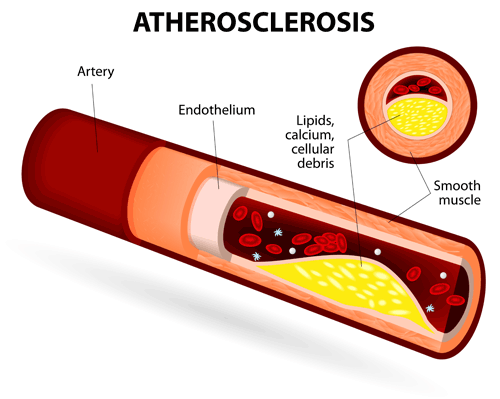
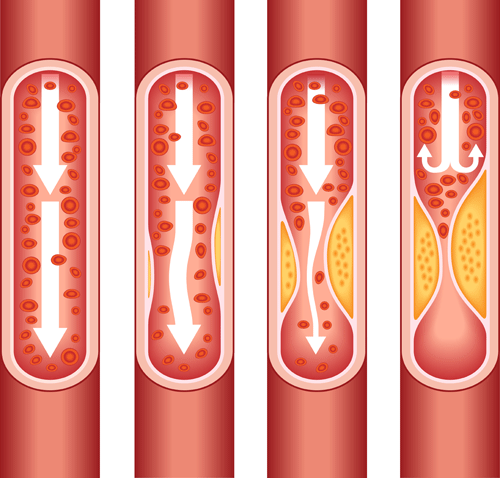
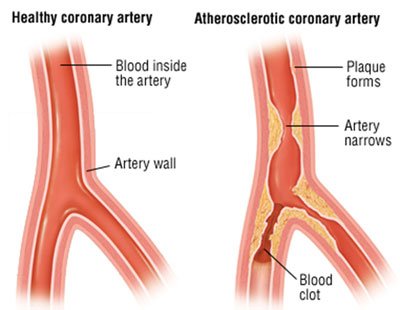
Atherosclerosis is a blood circulation problem, resulting from accumulation of fatty deposits in the walls of the blood vessels, especially arteries. In other words, arteries are primarily affected by atherosclerosis. Over a period of time, the arterial walls harden and lose their elasticity. Complication of atherosclerosis includes cardiovascular disease and heart attack.
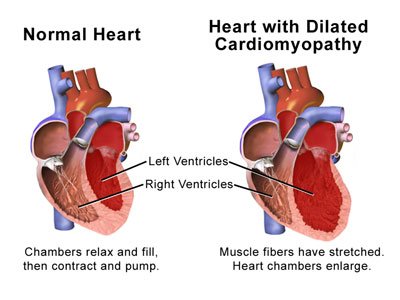
As the term goes; congenital heart defect is present at birth and may be mild or severe. The fetus may show incomplete and/or abnormal development of the heart organ, causing symptoms like heart murmur in infants. The exact cause of congenital heart disease is not known. In some cases, genetic problems cause this defect, while others develop without any reason.
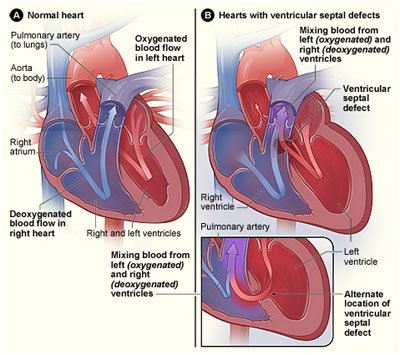
As the term goes; congenital heart defect is present at birth and may be mild or severe. The fetus may show incomplete and/or abnormal development of the heart organ, causing symptoms like heart murmur in infants. The exact cause of congenital heart disease is not known. In some cases, genetic problems cause this defect, while others develop without any reason.
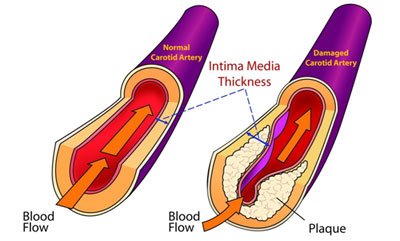
Coronary artery disease, also known as coronary heart disease, is by far the most common disease of the circulatory system diagnosed in adults. It is caused due to atherosclerosis, i.e., accumulation of plaque in the coronary arterial walls, which indirectly impairs the blood supply to the heart. Coronary artery disease is the leading cause of death all over the world.
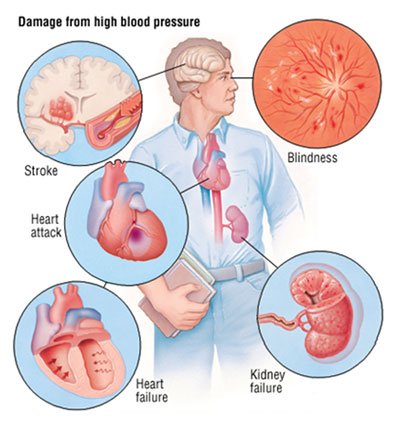
Hypertension or high blood pressure another frequently diagnosed disorder of the circulatory system. Over here, the blood pressure (systolic and diastolic) reading remains consistently higher than the normal recommended level. If not addressed timely, hypertension causes damage to the heart and blood vessels, thereby increasing the risk of heart attack and other heart diseases.
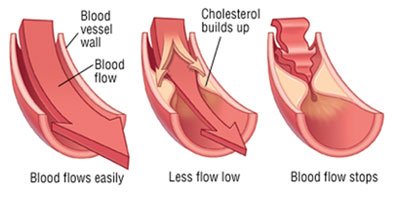
As the name signifies, hypercholesterolemia or high cholesterol is characterized by an elevated cholesterol level. There are two primary types of cholesterol, namely, low-density lipoproteins (LDL) or bad cholesterol and high-density lipoproteins (HDL) or good cholesterol. Presence of high amounts of bad cholesterol (LDL) increases the risk for heart diseases and stroke.
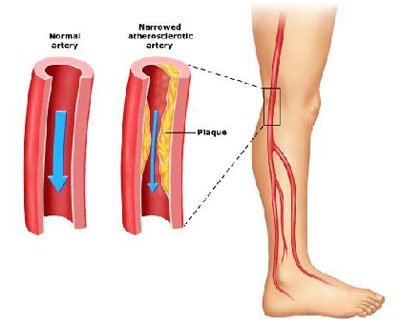
Peripheral vascular disease affects the blood circulation to the extreme portions of the body, including the arms and legs. Peripheral artery disease is the most common type of peripheral vascular disease, which is the deposition of fatty acids in the arterial walls. Symptoms of peripheral vascular disease are tingling, numbness, and other complications.
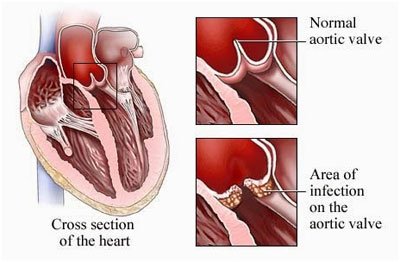
This is a complication rarely observed in children who have untreated rheumatic fever. What happens is, the antibodies produced by the body in response to bacterial infection (Streptococcus) falsely attack the body parts, including the cardiac valves and muscles. The symptoms of this ailment are no different from that of congestive heart failure, thus treatment for both is preceded in the similar way.
The increased statistics of circulatory system diseases is mainly contributed by today's hectic lifestyle, less physical activity, and unhealthy eating habits. Consequently, obesity, stress, smoking, and other unhealthy habits are major risk factors of circulatory system diseases. Early diagnosis, correct therapeutic intervention, and following a healthy lifestyle are crucial for combating the diseases and disorders related to malfunctioning of the circulatory system.
There are many circulatory system diseases which can be fatal. Some of them are angina, arrhythmia, atherosclerosis, cardiomyopathy, congenital heart defect, coronary artery disease, hypertension, hypercholesterolemia and peripheral vascular disease. Circulatory system disease prevention will help you to stay away from the circulatory system diseases. To help you with this, following are some of the preventive measures.
Exercise and workouts are the best way to keep your body healthy. Routine workouts generate a proper blood flow in the body which reduces the chances of getting circulatory system diseases. They also increase the oxygen level in the body which is the primary need of the body. You can opt for jogging, cycling, swimming or any other sports which can keep your body working.
Smoking is the cause of a number of diseases among which circulatory system diseases are the most common ones. If you are already suffering from circulatory system diseases, then smoking may even cause death. Hence, it is best to avoid it completely.
It has been observed that small amounts of alcohol specifically red wine can improve the blood circulation. But excess consumption of alcohol may take you to many health complications. Hence, it is very necessary to keep an eye on your alcohol consumption.
In our busy routine, we forget about our health and take a lot of mental and physical stress. Any type of stress can lead to a number of circulatory diseases. Meditation has proved to be one of the best ways to get rid of the problems of stress.
Your body needs proper rest after a day's long work hence tries to get at least 7 hours sleep, in every 24 hours. It will remove toxins from your body and will maintain proper blood flow. Avoid sleeping extra as it will result in poor blood circulation in your body.
Just by taking care of the food habits you can easily protect yourself from circulatory system diseases. Avoid eating foods which have saturated fats like butter, dairy products, etc. Fat and cholesterol get deposited in the arteries and cause blockages in the proper circulation of blood. Avoid eating junk food items. Reduce the oil consumption and use only refined oils.
Fresh vegetables and fruits will improve the blood circulation of your body. Fat is one of the necessities of the body hence you cannot avoid it completely. You can have mono-unsaturated fat which you can get from nuts, almonds, sunflower seeds, omega 3 fatty acids, corn oil, soy oil, etc. You can have lean meat and lean dairy products. Fish can be very healthy for the prevention of circulatory diseases. Carbohydrates and fibers should be included in the diet.
People with excess weight are more susceptible to cardiovascular diseases. Hence, it is very important to shed excess weight with the help of various weight reducing activities and a suitable diet. Consult a physician for more details.
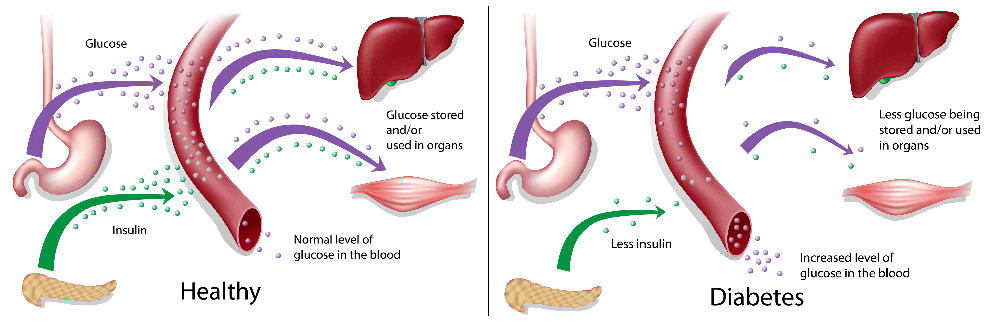
If you are suffering from other diseases such as diabetes then you need to be more careful. Keep an eye on the sugar levels and try to maintain it so as to avoid any type of circulatory system diseases.
So these were some of the tips and preventive measures to improve circulatory system and to avoid circulatory system diseases. You can consult your doctor for more detailed information on the diet schedule.
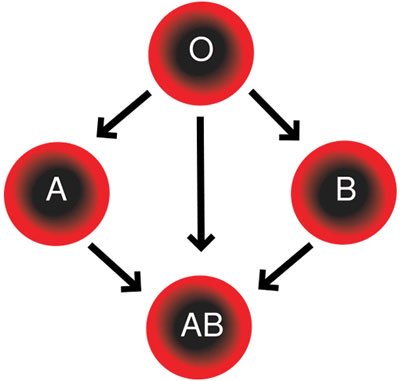
Blood groups are very important in order to find out if a person can donate blood or receive blood in case of an accident or other diseases. Almost everyone's plasma has antibodies that may not work with together with another person's blood.
Humans can have one of four main blood groups, either RhD positive or negative :
If a pregnant woman is RhD negative, but her child has inherited RhD positive from the father, the baby will need treatment.
There are no antigens are found on the surface of blood cells. Both Anti-B and Anti-A antibodies are found in the plasma. Type O is the most common blood group and in an emergency it can be transfused to anybody.
A and B antigens are found on the surface of blood cells. There are no antibodies are found in the plasma. Type AB is the most seldom group and this blood group can receive any other blood in case of emergency.
A antigens are found on the surface of blood cells. Anti-B antibodies are found in the plasma. Type A can only be receive by donors A or O.
B antigens are found on the surface of blood cells. Anti-A antibodies are found in the plasma. Type B can only receive by donors with B or O.
If an adult suddenly loses a liter or more of blood, he may die unless the blood in his body is not replaced. Transfusion can also help patients whose system cannot produce enough blood cells to survive. They also help during operation when patient lose some blood.
Blood banks collect blood from donors and store in sterile bag and can be stored for up to 50 days. Laboratory personal screen donated blood for infectious diseases like AIDS and hepatitis. Only clean and safe blood can be given to patient.