


 Doctor
 lab
lab


We talk and brag about our new purchased Device with excitement & enthusiasm for hours, we also have terrific knowledge about its features & benefits. You name it and we know all.
Taking great care and pride of purchased Gadget because we have made financial investment, same time we simply took for granted our own-machine, the no charge Gizmo.
Human-Gizmo is more complex and advance than any machine mankind could invent. This particular machinery has systematic mechanism which combines by multiple organs & systems that works day & night.
It need some respect.A human body system consists of specific cells, tissues and organs that work together to perform specific functions. These systems work together to maintain your overall health and necessary for everyday living. The functions of the body's organ systems overlap considerably and your body could not function without the cooperation of all of its organ systems. In fact, the failure of even one organ system could lead to severe disability or even death.
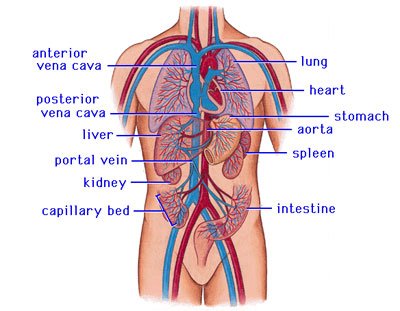
The circulatory system is the body's transport system. It is made up of a group of organs that transport blood throughout the body. The heart pumps the blood and the arteries and veins transport it. Oxygen-rich blood leaves the left side of the heart and enters the biggest artery, called the aorta. The aorta branches into smaller arteries, which then branch into even smaller vessels which travel all over the body. When blood enters the smallest blood vessels, which are called capillaries, and are found in body tissue, it gives nutrients and oxygen to the cells and takes in carbon dioxide, water, and waste. The blood, which no longer contains oxygen and nutrients, then goes back to the heart through veins. Veins carry waste products away from cells and bring blood back to the heart, which pumps it to the lungs to pick up oxygen and eliminate waste carbon dioxide.
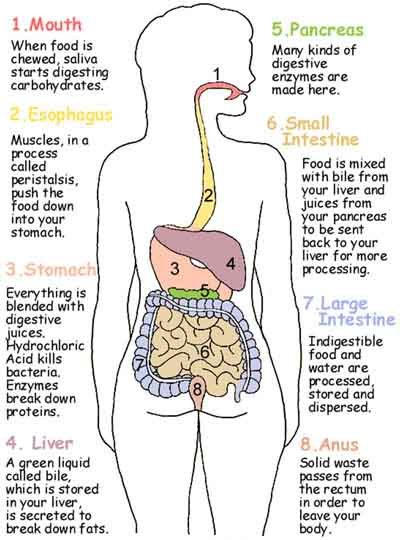
The digestive system is made up of organs that break down food into protein, vitamins, minerals, carbohydrates, and fats, which the body needs for energy, growth, and repair. After food is chewed and swallowed, it goes down the esophagus and enters the stomach, where it is further broken down by powerful stomach acids. From the stomach the food travels into the small intestine. This is where your food is broken down into nutrients that can enter the bloodstream through tiny hair-like projections. The excess food that the body doesn't need or can't digest is turned into waste and is eliminated from the body.
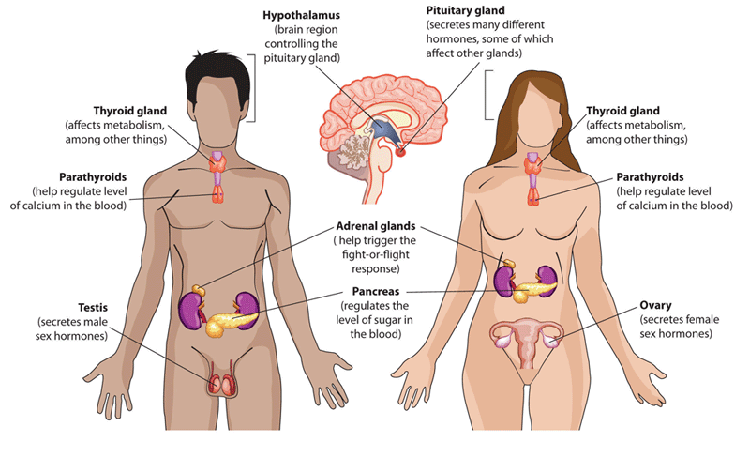
The endocrine system is made up of a group of glands that produce the body's long-distance messengers, or hormones. Hormones are chemicals that control body functions, such as metabolism, growth, and sexual development. The glands, which include the pituitary gland, thyroid gland, parathyroid glands, adrenal glands, thymus gland, pineal body, pancreas, ovaries, and testes, release hormones directly into the bloodstream, which transports the hormones to organs and tissues throughout the body.
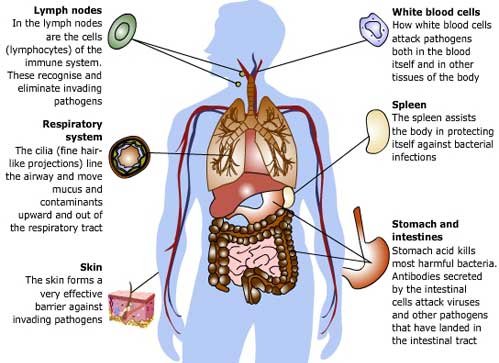
The immune system is our body's defense system against infections and diseases. Organs, tissues, cells, and cell products work together to respond to dangerous organisms (like viruses or bacteria) and substances that may enter the body from the environment. There are three types of response systems in the immune system: the anatomic response, the inflammatory response, and the immune response.
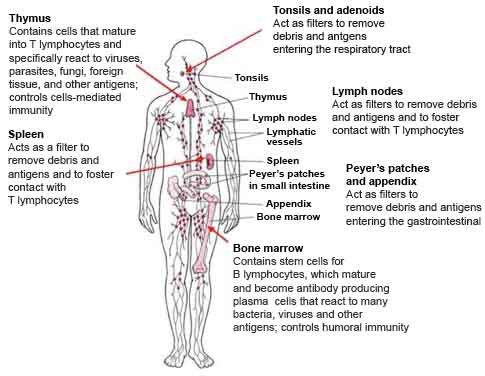
The lymphatic system is also a defense system for the body. It filters out organisms that cause disease, produces white blood cells, and generates disease-fighting antibodies. It also distributes fluids and nutrients in the body and drains excess fluids and protein so that tissues do not swell. The lymphatic system is made up of a network of vessels that help circulate body fluids. These vessels carry excess fluid away from the spaces between tissues and organs and return it to the bloodstream.
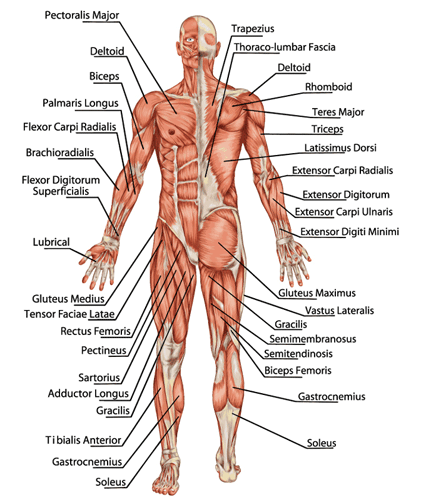
The muscular system is made up of tissues that work with the skeletal system to control movement of the body. Some muscles - like the ones in your arms and legs - are voluntary, meaning that you decide when to move them. Other muscles, like the ones in your stomach, heart, intestines and other organs, are involuntary. This means that they are controlled automatically by the nervous system and hormones - you often don't even realize they're at work.
The body is made up of three types of muscle tissue: skeletal, smooth and cardiac. Each of these has the ability to contract and expand, which allows the body to move and function.
Skeletal muscles help the body move.Smooth muscles, which are involuntary, are located inside organs, such as the stomach and intestines.
Cardiac muscle is found only in the heart. Its motion is involuntary
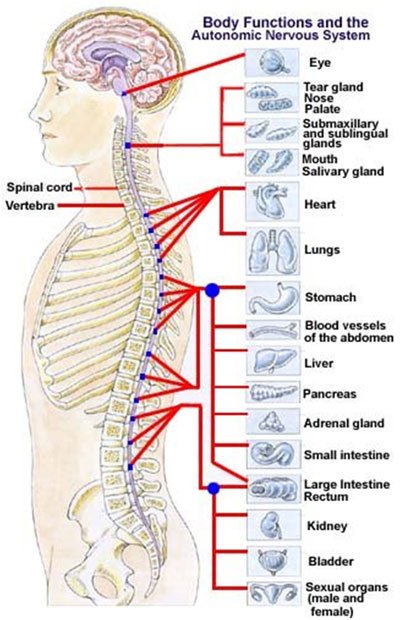
The nervous system is made up of the brain, the spinal cord, and nerves. One of the most important systems in your body, the nervous system is your body's control system. It sends, receives, and processes nerve impulses throughout the body. These nerve impulses tell your muscles and organs what to do and how to respond to the environment. There are three parts of your nervous system that work together: the central nervous system, the peripheral nervous system, and the autonomic nervous system.
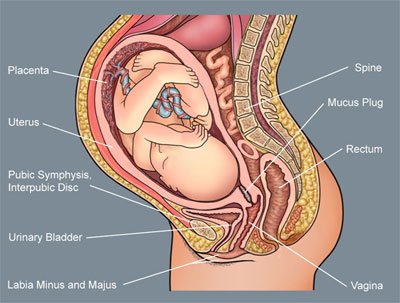
The reproductive system allows humans to produce children. Sperm from the male fertilizes the female's egg, or ovum, in the fallopian tube. The fertilized egg travels from the fallopian tube to the uterus, where the fetus develops over a period of nine months.
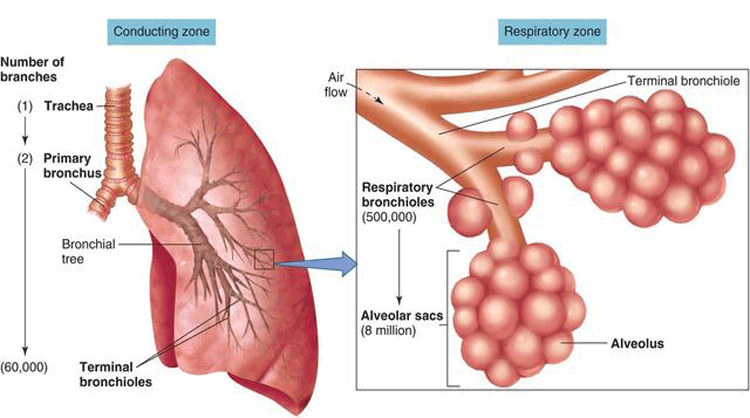
The respiratory system brings air into the body and removes carbon dioxide. It includes the nose, trachea, and lungs. When you breathe in, air enters your nose or mouth and goes down a long tube called the trachea. The trachea branches into two bronchial tubes, or primary bronchi, which go to the lungs. The primary bronchi branch off into even smaller bronchial tubes, or bronchioles. The bronchioles end in the alveoli, or air sacs. Oxygen follows this path and passes through the walls of the air sacs and blood vessels and enters the blood stream. At the same time, carbon dioxide passes into the lungs and is exhaled.
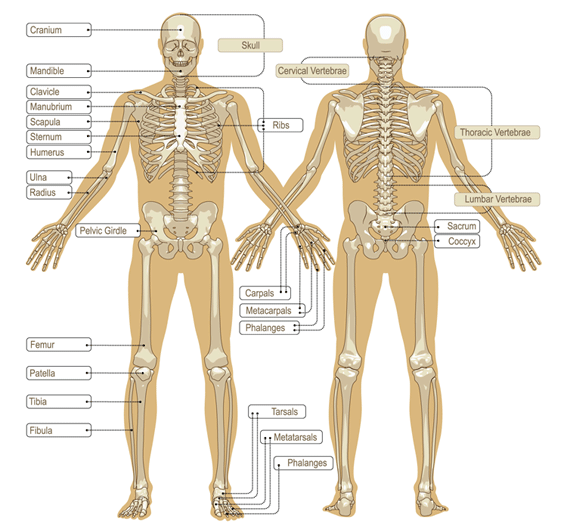
The skeletal system is made up of bones, ligaments and tendons. It shapes the body and protects organs. The skeletal system works with the muscular system to help the body move. Marrow, which is soft, fatty tissue that produces red blood cells, many white blood cells, and other immune system cells, is found inside bones.
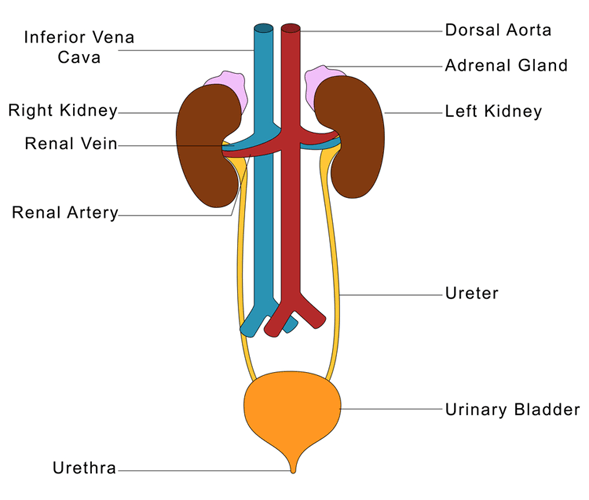
The urinary system eliminates waste from the body, in the form of urine. The kidneys remove waste from the blood. The waste combines with water to form urine. From the kidneys, urine travels down two thin tubes called ureter to the bladder. When the bladder is full, urine is discharged through the urethra.
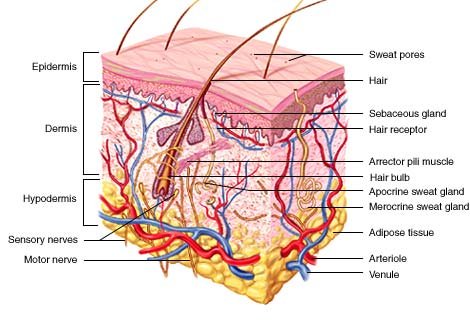
The integumentary system is an organ system consisting of the skin, hair, nails, and exocrine glands. The skin is only a few millimeters thick yet is by far the largest organ in the body. The average person's skin weighs 10 pounds and has a surface area of almost 20 square feet. Skin forms the body's outer covering and forms a barrier to protect the body from chemicals, disease, UV light, and physical damage. Hair and nails extend from the skin to reinforce the skin and protect it from environmental damage. The exocrine glands of the integumentary system produce sweat, oil, and wax to cool, protect, and moisturize the skin's surface.
There are almost 78 organs in a human body which vary according to their sizes, functions or actions. An organ is a collection of millions of cells which group together to perform single functions in our body. The cells in these body organs are highly specialized and form for all the necessary actions for some specific time. Out of these 78 organs of a male or female body, skin is the largest organ with respect to its size and weight. The major organ in the body of human beings is the brain which is primarily responsible for performing all the functions and actions of the body. Other major organs of the body are given in the following list with names, diseases, location and functions.
Humans have five vital organs that are essential for survival. These are the Brain, Heart, Kidneys, Liver, and Lungs.
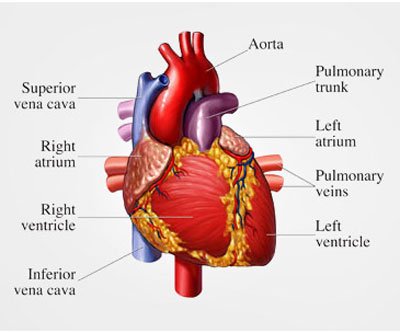
A simple answer to "What is heart" is that it is the main organ of our body's circulatory system, pumping blood throughout the body. It is a muscular pump which contracts at regular intervals in order to squeeze the blood through it into the blood vessels. There are four chambers in the heart. The right chambers contain unclean, that is deoxygenated, blood. On the other hand, the left chambers contain clean, that is oxygenated, blood.
The heart is made up of connective tissue and cardiac muscle. The latter is a type of involuntary muscle, that is, it contracts and relaxes on its own without the application of force by us. Our heart is a delicate organ which is protected by the rib cage.
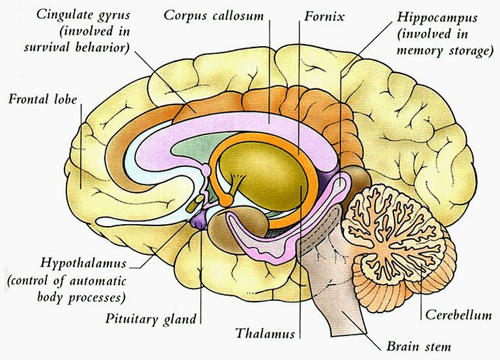
Made up of about 100 billion neurons and contributing nearly 2% of body-weight, brain is the supreme structural and functional unit and control center of the body and the superior-most region of CNS (Central Nervous System). Broadly speaking, major part of the brain is comprised of the hemispheres (left & right) of cerebral cortex. Cerebellum, the horizontally furrowed structure of brain's rear part, is located behind brainstem that is attached to cerebrum.
Primary components and associated structures of brain work in coordination with one another and execute a number of vital functions, viz. growth, maintenance, reproduction, sexual maturity, alarming and responding to environmental hazards, and personal & behavioral developments.
Like other structures of the body, the master organ is also vulnerable to a number of disorders, injuries, damages and severe ailments that can lead to the immediate death of the victim. Meningitis, encephalitis, concussion, intracerebral hemorrhage, brain tumor, hydrocephalus, and hemorrhage stroke are some of the major conditions that can be addressed through various available and successful treatment measures.
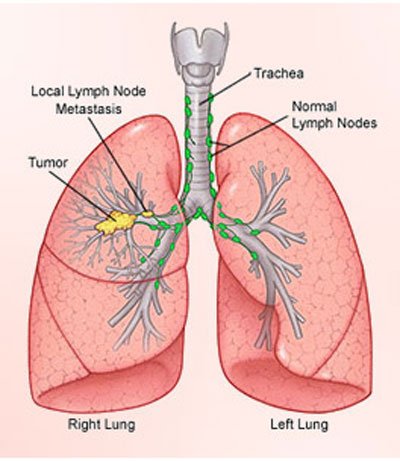
Lungs are the major organ of our respiratory system, helping us obtain oxygen and get rid of carbon dioxide. Our chest cavity houses a pair of lungs which open to the external environment through the nose and mouth. A cylindrical tube, called trachea, is the main link between the lungs and the nose and mouth. When we breathe in, air travels through the trachea to our lungs.
As the trachea moves down the chest, it splits into two branches called bronchus, one for each lung. Each bronchus then further subdivides into several smaller tubes called bronchioles. Thus, each lung contains many bronchioles spread all over its structure in order to ensure an even distribution of oxygen in the lungs.
For oxygen to be able to reach all the parts of our body, it has to be dissolved into the blood. The blood stream then distributes oxygen to the entire body. Therefore, there has to be a supply of blood vessels in the lungs. These blood vessels are present on minute, sac-like structures called alveoli found at the end of bronchioles. There are numerous alveoli in each lung in order to provide the maximum surface area for the exchange of oxygen as well as carbon dioxide between the lungs and the blood stream.
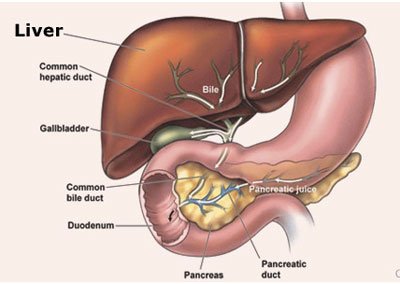
Although skin is considered to be the largest organ of the human body, liver is known to be the largest internal organ and the largest gland in the human body. One may wonder about "What is a liver?" and what a purpose it serves. Being a glandular structure, it is an organized group of cells or tissues specialized to secrete or excrete certain substances to be used elsewhere in the body. Glands are broadly classified into two major groups i.e. endocrine and exocrine glands. A normal liver weighs about 1.2 to 1.5 kg and performs both endocrine and exocrine functions.
Liver is located in the right upper quadrant of the abdomen, just beneath the right side of the diaphragm and under the right lower rib cage. Concerning human liver anatomy, it has two major lobes, a larger right lobe and a smaller left lobe that are further subdivided into eight functional segments. Within a minute approximately 1500ml of blood flows through the liver to ensure its efficiency. In part due to its ample blood supply liver is a prime site for metastatic spread of cancer.
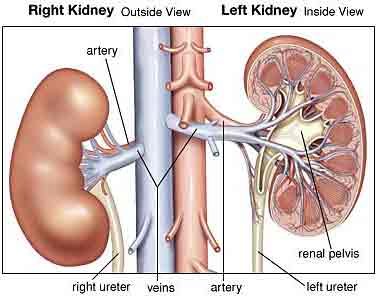
There are two bean shaped kidneys in the human body. A normal kidney is about 2.5 cm thick, 10 cm long and 5 cm wide. They are reddish-brown in color and each weighs approximately 130 gm in adults. Both kidneys receive blood from the renal artery; in a resting adult approximately 1.2 to 1.4 Litres of blood flows through both kidneys in one minute which means every 4 to 5 minutes all the circulating blood in the body passes through the kidneys. Kidneys help remove excess salt, water and waste products from the bloodstream. Like other endocrine organs, kidneys also secrete important hormones such as rennin and erythropoietin into the circulation. These hormones play significant roles in the production of blood cell and in the regulation of blood pressure.