


 Doctor
 lab
lab



Diabetes is a group of conditions linked by an inability to produce enough insulin and/or to respond to insulin. This causes high blood glucose levels (hyperglycemia) and can lead to a number of acute and chronic health problems, some of them life-threatening.
People with diabetes are unable to process glucose, the body's primary energy source, effectively. Normally, after a meal, carbohydrates are broken down into glucose and other simple sugars. This causes blood glucose levels to rise and stimulates the pancreas to release insulin into the bloodstream. Insulin is a hormone produced by the beta cells in the pancreas. It regulates the transport of glucose into most of the body's cells and works with glucagon, another pancreatic hormone, to maintain blood glucose levels within a narrow range.
If someone is unable to produce enough insulin, or if the body's cells are resistant to its effects (insulin resistance), then less glucose is transported from the blood into cells. Blood glucose levels remain high but the body's cells "starve." This can cause both short-term and long-term health problems, depending on the severity of the insulin deficiency and/or resistance. Diabetics typically have to control their blood glucose levels on a daily basis and over time to avoid health problems and complications. Treatment, which may involve specialized diets, exercise and/or medications, including insulin, aims to ensure that blood glucose does not get too high or too low.
Chronic high blood glucose can cause long-term damage to blood vessels, nerves, and organs throughout the body and can lead to other conditions such as kidney disease, loss of vision, strokes, cardiovascular disease, and circulatory problems in the legs. Damage from hyperglycemia is cumulative and may begin before a person is aware that he or she has diabetes. The sooner that the condition is detected and treated, the better the chances are of minimizing long-term complications.
| Type of Diabetes | Description |
|---|---|
| Type 1 | Exact cause unknown; thought to be primarily an autoimmune disease that involves the destruction of the insulin-producing beta cells in the pancreas; can occur at any age but usually diagnosed in children and young adults. |
| Type 2 | Most common type; associated with insulin resistance and with insulin production that is insufficient to meet the body's needs and to compensate for resistance. It develops most frequently in overweight middle-aged and elderly people. With increased obesity in children and adolescents, the condition is becoming more common at younger ages. |
| Gestational | Develops during a woman's pregnancy and affects both mother and developing baby; typically develops late in the pregnancy |
| Prediabetes | Higher blood glucose than normal, but not considered diabetes; people with prediabetes are at an increased risk of developing diabetes. |
| Others | A group of less common types of diabetes. Any condition that damages the pancreas and/or affects insulin production or usage can cause diabetes. |
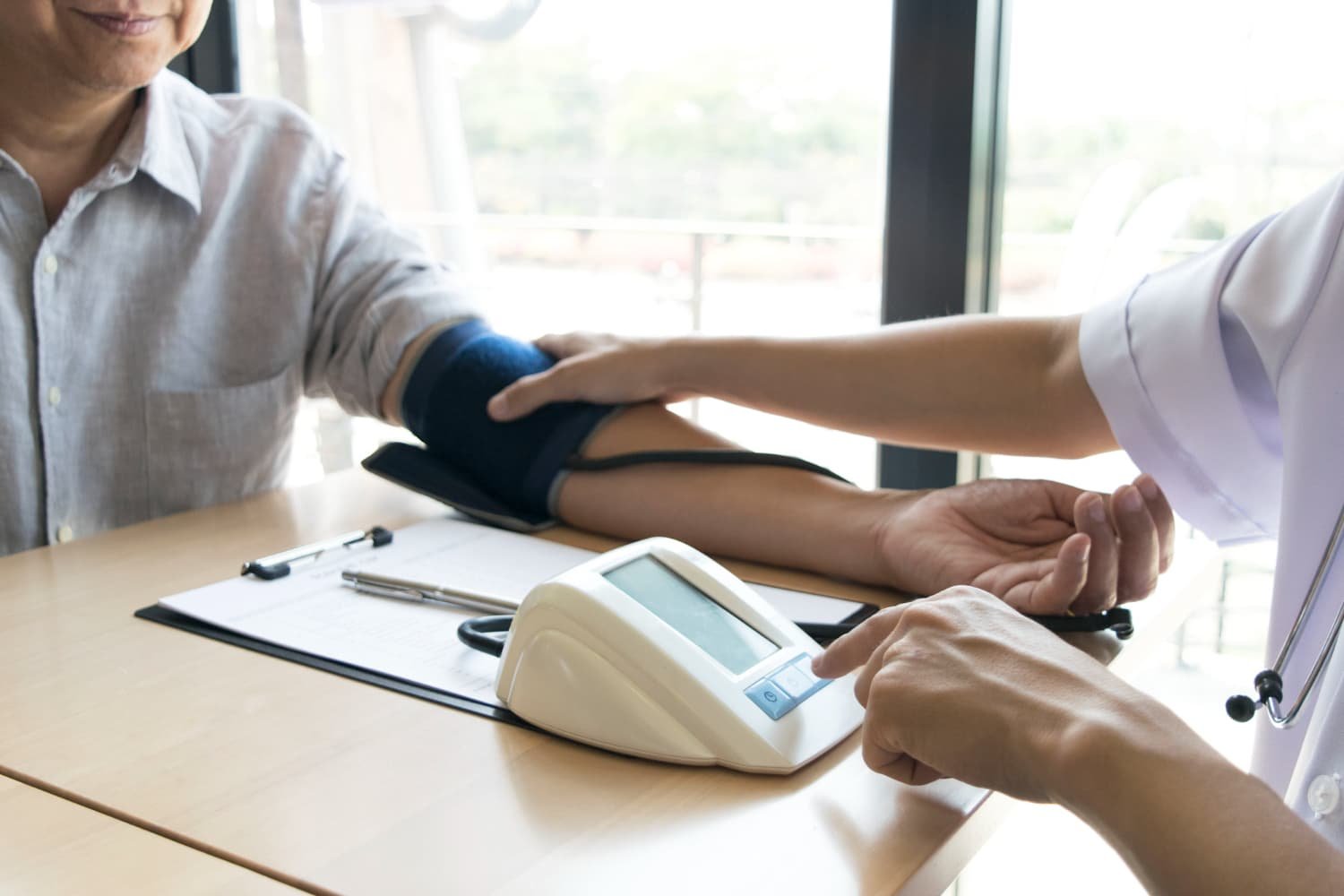
Hypertension, also known as high blood pressure, is a persistent elevation in blood pressure that taxes the heart. Over time, it can cause serious damage to the heart as well as other organs, such as the kidneys, brain, and eyes.
Blood pressure (BP) is the force that blood exerts on the walls of the arteries. It depends on the strength and rate of the heart's contraction as it pumps blood and on the resistance to the flow of blood through the arteries. The amount of resistance depends on the elasticity and diameter of the blood vessels and the volume of blood flowing through them. The narrower the arteries and the more blood pumping through them, the higher the blood pressure will be. Maintaining a healthy lifestyle can help delay or prevent hypertension.
Blood pressure rises and falls during the day depending on a person's level of activity and physical and emotional stress. Largely controlled by the autonomic nervous system (the part of the nervous system that controls involuntary actions), BP is also affected by several different hormones. When one or more of these hormones is out of balance, it can cause high blood pressure or hypertension.
Measuring BP takes into account two pressures, measured in millimeters of mercury (mm Hg). The first, systolic pressure, is the force exerted on the blood vessel walls when the heart is pumping blood. Diastolic pressure reflects the force present when the heart relaxes between beats. They are written as systolic over diastolic pressure. For instance, a blood pressure of 120/80 mm Hg or 120 over 80 corresponds to a systolic pressure of 120 and a diastolic pressure of 80.
A single measurement of blood pressure is not diagnostic. Typically, multiple readings are taken on different days and, if measurements are consistently high, a diagnosis of high blood pressure is made.
Usually, diastolic pressures will mirror systolic pressures, but as people age, the diastolic pressure tends to level out. Then, the form of hypertension that involves primarily the systolic pressure (called isolated systolic hypertension) becomes more common. In general, the greater the blood pressures for extended periods of time, the greater the potential for damage.
The classifications of blood pressure based on recommendations of the National Heart Lung and Blood Institute (NHLBI) Seventh Report of the Joint National Committee on Prevention, Detection, Evaluation, and Treatment of High Blood Pressure (JNC 7) are summarized in the table below.
| Category | Systolic mm Hg (top number-force when heart is pumping) | # | Diastolic mm Hg (bottom number-force when heart is at rest) |
|---|---|---|---|
| Normal | Less than 120 | and | Less than 80 |
| Pre-Hypertension | 120-139 | or | 80-89 |
| Hypertension Stage I | 140-159 | or | 90-99 |
| Hypertension Stage II | Equal to or greater than 160 | or | Equal to or greater than 100 |

Thyroid diseases are primarily conditions that affect the amount of thyroid hormones being produced. Women are more likely than men to have thyroid problems, with 1 in 8 developing a thyroid disorder during her life. The following is a list of the more common thyroid disorders.
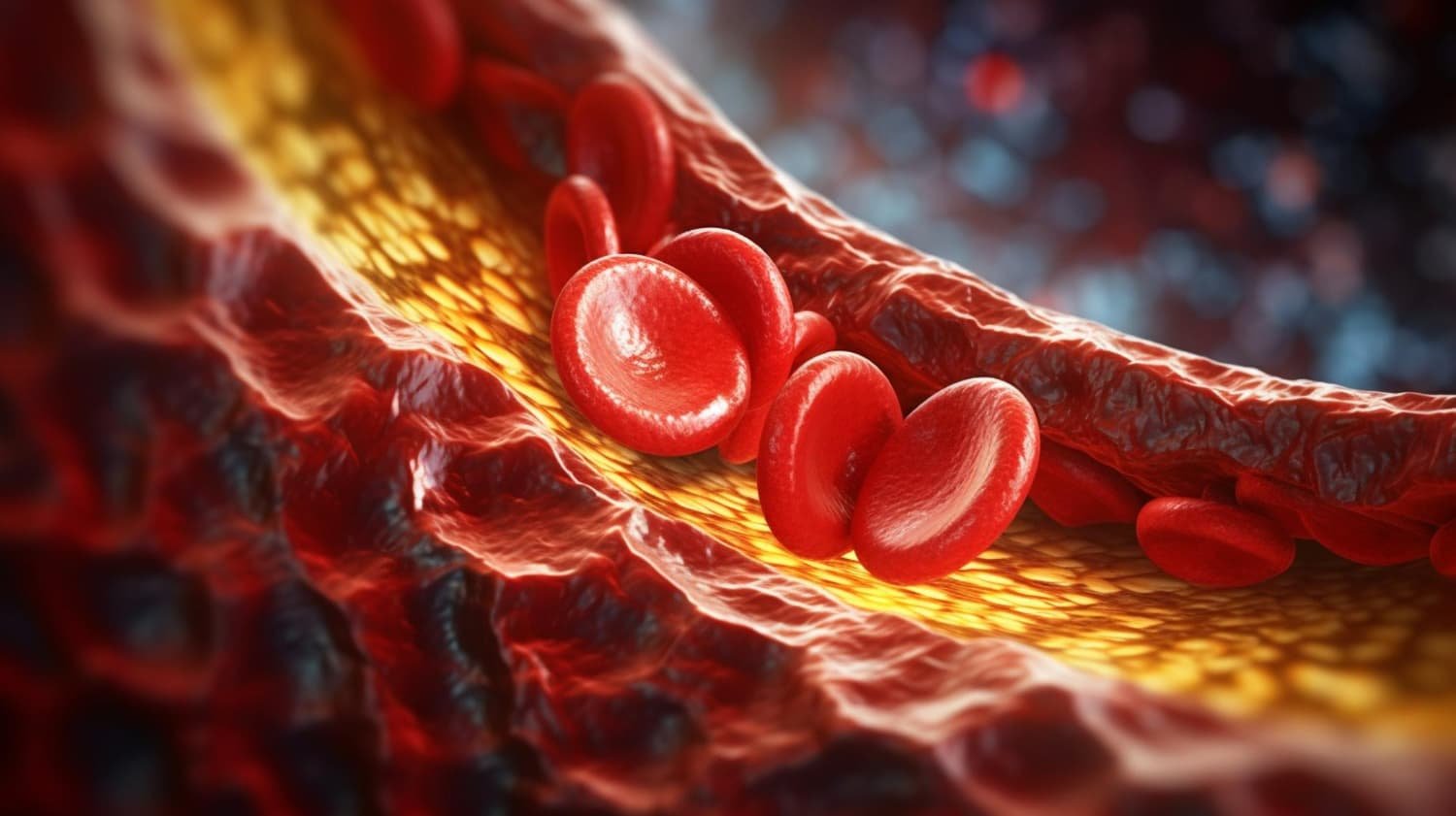
Diet, weight, physical activity and exposure to tobacco smoke all affect your cholesterol level.
Knowing which fats raise LDL cholesterol and which ones don't is the first step in lowering your risk of heart disease.
Heart-healthy eating plan can help you manage your blood cholesterol level.
For some people, lifestyle changes alone aren't enough to reach healthy cholesterol levels. Your doctor may prescribe medication.
The table below shows ranges for total cholesterol, LDL ("bad") cholesterol, and HDL ("good") cholesterol levels after 9 to 12 hours of fasting. High blood cholesterol is a risk factor for coronary heart disease.
Your doctor should discuss your results with you. He or she will advise you further if your results are outside the desirable range.
| Total Cholesterol Level | Total Cholesterol Category |
|---|---|
| Less than 200 mg/dL | Desirable |
| 200–239 mg/dL | Borderline high |
| 240 mg/dL and above | High |
| LDL Cholesterol Level | LDL Cholesterol Category |
|---|---|
| Less than 100 mg/dL | Optimal |
| 2100–129 mg/dL | Near optimal/above optimal |
| 130–159 mg/dL | Borderline high |
| 160–189 mg/dL | High |
| 190 mg/dL and above | Very high |
| HDL Cholesterol Level | HDL Cholesterol Category |
|---|---|
| Less than 40 mg/dL | A major risk factor for heart disease |
| 40–59 mg/dL | The higher, the better |
| 60 mg/dL and above | Considered protective against heart disease |
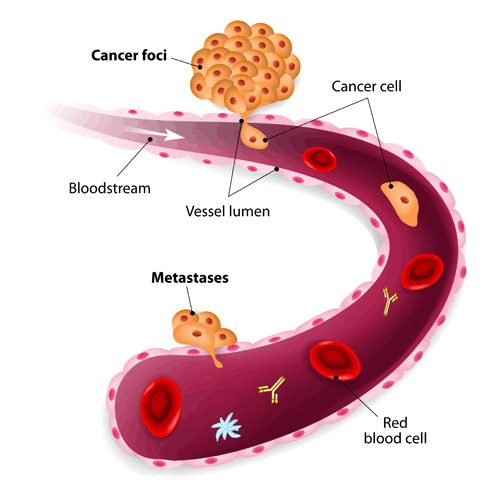
Cancer begins in your cells, which are the building blocks of your body. Normally, your body forms new cells as you need them, replacing old cells that die. Sometimes this process goes wrong. New cells grow even when you don't need them, and old cells don't die when they should. These extra cells can form a mass called a tumor. Tumors can be benign or malignant. Benign tumors aren't cancer while malignant ones are. Cells from malignant tumors can invade nearby tissues. They can also break away and spread to other parts of the body.
Cancer is not just one disease but many diseases. There are more than 100 different types of cancer. Most cancers are named for where they start. For example, lung cancer starts in the lung, and breast cancer starts in the breast. The spread of cancer from one part of the body to another is called metastasis. Symptoms and treatment depend on the cancer type and how advanced it is. Most treatment plans may include surgery, radiation and/or chemotherapy. Some may involve hormone therapy, biologic therapy, or stem cell transplantation.

Stress is your body's way of responding to any kind of demand. It can be caused by both good and bad experiences. When people feel stressed by something going on around them, their bodies react by releasing chemicals into the blood. These chemicals give people more energy and strength, which can be a good thing if their stress is caused by physical danger. But this can also be a bad thing, if their stress is in response to something emotional and there is no outlet for this extra energy and strength.
Many different things can cause stress -- from physical (such as fear of something dangerous) to emotional (such as worry over your family or job.) Identifying what may be causing you stress is often the first step in learning how to better deal with your stress. Some of the most common sources of stress are:
You may have heard the phrase "fight or flight" before. This is a common response to danger in all people and animals. When you are afraid that someone or something may physically hurt you, your body naturally responds with a burst of energy so that you will be better able to survive the dangerous situation (fight) or escape it all together (flight). This is survival stress.
Have you ever caught yourself worrying about things you can do nothing about or worrying for no reason at all? This is internal stress and it is one of the most important kinds of stress to understand and manage. Internal stress is when people make themselves stressed. This often happens when we worry about things we can't control or put ourselves in situations we know will cause us stress. Some people become addicted to the kind of hurried, tense, lifestyle that results from being under stress. They even look for stressful situations and feel stress about things that aren't stressful.
This is a response to things around you that cause stress, such as noise, crowding, and pressure from work or family. Identifying these environmental stresses and learning to avoid them or deal with them will help lower your stress level.
This kind of stress builds up over a long time and can take a hard toil on your body. It can be caused by working too much or too hard at your job(s), school, or home. It can also be caused by not knowing how to manage your time well or how to take time out for rest and relaxation. This can be one of the hardest kinds of stress to avoid because many people feel this is out of their control.
Stress can affect both your body and your mind. People under large amounts of stress can become tired, sick, and unable to concentrate or think clearly. Sometimes, they even suffer mental breakdowns.
Understanding your stress level is important. If nothing in your life causes you any stress or excitement, you may become bored or may not be living up to your potential. If everything in your life, or large portions of your life, cause you stress, you may experience health or mental problems that will make your behavior worse.
Recognizing when you are stressed and managing your stress can greatly improve your life. Some short-term stress - for example what you feel before an important job presentation, test, interview, or sporting event - may give you the extra energy you need to perform at your best. But long-term stress - for example constant worry over your job, school, or family - may actually drain your energy and your ability to perform well.
While these stress management techniques can help in the moment, you can also make a few larger changes to your way of life. Regular exercise is key to long-term stress management. People who exercise tend to have better moods and more energy than people who don't. What's more, regular exercise will independently lower your risks for many health problems.
Learning some relaxation techniques, meditation, or yoga will help with stress management, too. Getting good at any of these approaches will take a little time and practice, but the payoff - for your short-term mood and long-term health - could be substantial.