


 Doctor
 lab
lab



Healthy eating is not about strict dietary limitations, staying unrealistically thin, or depriving yourself of the foods you love. Rather, it's about feeling great, having more energy, improving your outlook, and stabilizing your mood. If you feel overwhelmed by all the conflicting nutrition and diet advice out there, you're not alone. It seems that for every expert who tells you a certain food is good for you, you'll find another saying exactly the opposite. But by using these simple tips, you can cut through the confusion and learn how to create a tasty, varied, and healthy diet that is as good for your mind as it is for your body.
We all know that eating right can help you maintain a healthy weight and avoid certain health problems, but your diet can also have a profound effect on your mood and sense of wellbeing.
Eating more fruits and vegetables, cooking meals at home, and reducing your fat and sugar intake, on the other hand, may help to improve mood and lower your risk for mental health problems. If you have already been diagnosed with a mental health problem, eating well can even help to manage your symptoms and regain control of your life.
While some specific foods or nutrients have been shown to have a beneficial effect on mood, it's your overall dietary pattern that is most important. That means switching to a healthy diet doesn't have to be an all or nothing proposition. You don't have to be perfect and you don't have to completely eliminate foods you enjoy to have a healthy diet and make a difference to the way you think and feel.
To set yourself up for success, think about planning a healthy diet as a number of small, manageable steps—like adding a salad to your diet once a day—rather than one big drastic change. As your small changes become habit, you can continue to add more healthy choices.
Key to any healthy diet is moderation. But what is moderation? In essence, it means eating only as much food as your body needs. You should feel satisfied at the end of a meal, but not stuffed. Moderation is also about balance. Despite what fad diets would have you believe, we all need a balance of carbohydrates, protein, fat, fiber, vitamins, and minerals to sustain a healthy body.
For most of us, moderation also means eating less than we do now. But it doesn't mean eliminating the foods you love. Eating deep fried dish once a week, for example, could be considered moderation if you follow it with a healthy lunch and dinner - but not if you follow it with frankie and a loaded cheese pizza. If you eat 100 calories of chocolate one afternoon, balance it out by deducting 100 calories from your evening meal. If you're still hungry, fill up with extra salad.
Fruits and vegetables are low in calories and nutrient dense, which means they are packed with vitamins, minerals, antioxidants, and fiber. Focus on eating the recommended daily minimum of five servings of fruit and vegetables and it will naturally fill you up and help you cut back on unhealthy foods. A serving is half a cup of raw fruit or veg or a small apple or banana, for example.
Try to eat a rainbow of fruits and vegetables every day as deeply colored fruits and vegetables contain higher concentrations of vitamins, minerals, and antioxidants. Add fruits & milk to your breakfast, eat small portion of dry fruits for dessert, and snack on vegetables such as carrots, snow peas, or cucumber instead of processed snack foods.
Choose healthy carbohydrates and fiber sources, especially whole grains, for long-lasting energy. Whole grains are rich in phytochemicals and antioxidants, which help to protect against coronary heart disease, certain cancers, and diabetes.
Healthy carbs (or good carbs) include whole grains, beans, fruits, and vegetables. Healthy carbs are digested slowly, helping you feel full longer and keeping blood sugar and insulin levels stable.
Unhealthy carbs (or bad carbs) are foods such as white flour, refined sugar, and white rice that have been stripped of all bran, fiber, and nutrients. They digest quickly and cause spikes in blood sugar levels and energy.
Include a variety of whole grains in your healthy diet, including whole wheat, brown rice, millet, quinoa, and barley.
Make sure you're really getting whole grains. Check for the Whole Grain Stamps that distinguish between partial whole grain and 100% whole grain.
Try mixing grains as a first step to switching to whole grains. If whole grains like brown rice and whole wheat pasta don't sound good at first, start by mixing what you normally use with the whole grains. You can gradually increase the whole grain to 100%.
Avoid: Refined foods such as breads, pastas, and breakfast cereals that are not whole grain.
Good source of healthy fat are needed to nourish your brain, heart, and cells, as well as your hair, skin, and nails. Foods rich in certain omega-3 fats can reduce cardiovascular disease, improve your mood, and help prevent dementia
As well as creating weight problems, too much sugar causes energy spikes and has been linked to diabetes, depression, and even an increase in suicidal behaviors in young people. Reducing the amount of candy and desserts you eat is only part of the solution as sugar is also hidden in foods such as bread, cereals, canned soups and vegetables, pasta sauce, margarine, instant mashed potatoes, frozen dinners, low-fat meals, fast food, and ketchup. It all adds up to a lot of empty calories since your body get all it needs from sugar naturally occurring in food.
Sodium is another ingredient that is frequently added to food to improve taste, even though your body needs less than one gram of sodium a day (about half a teaspoon of table salt). Eating too much salt can cause high blood pressure and lead to an increased risk of stroke, heart disease, kidney disease, memory loss, and erectile dysfunction. It may also worsen symptoms of bipolar disorder.
Spotting added sugar on food labels can require some sleuthing. Manufacturers are required to provide the total amount of sugar in a serving but do not have to spell out how much of this sugar has been added and how much is naturally in the food. Added sugars must be included on the ingredients list, which is presented in descending order by weight. The trick is deciphering which ingredients are added sugars. They come in a variety of guises. Aside from the obvious ones - sugar, honey, molasses - added sugar can appear as agave nectar, cane crystals, corn sweetener, crystalline fructose, dextrose, evaporated cane juice, fructose, high-fructose corn syrup, invert sugar, lactose, maltose, malt syrup, and more.
A wise approach is to avoid products that have any of these added sugars at or near the top of the list of ingredients - or ones that have several different types of sugar scattered throughout the list. If a product is chock - full of sugar, you would expect to see "sugar" listed first, or maybe second. But food makers can fudge the list by adding sweeteners that aren't technically called sugar. The trick is that each sweetener is listed separately. The contribution of each added sugar may be small enough that it shows up fourth, fifth, or even further down the list. But add them up and you can get a surprising dose of added sugar.
Let's take as an example a popular oat-based cereal with almonds whose package boasts that it is "great tasting," "heart healthy" and "whole grain guaranteed." Here's the list of ingredients:
Whole - grain oats, whole - grain wheat, brown sugar, almond pieces, sugar, crisp oats,* corn syrup, barley malt extract, potassium citrate, toasted oats,* salt, malt syrup, wheat bits,* honey, and cinnamon. *contain sugar, high - fructose corn syrup, honey, and/or brown sugar molassesCombine brown sugar, sugar, corn syrup, barley malt extract, high - fructose corn syrup, honey, brown sugar molasses, and malt syrup, and they add up to a hefty dose of empty calories - more than one - quarter (27%) of this cereal is added sugar, which you might not guess from scanning the ingredient list. This type of calculation can be especially tricky in breakfast cereals, where most of the sugars are added
Your body uses calcium to build healthy bones and teeth, keep them strong as you age, send messages through the nervous system, and regulate the heart's rhythm. If you don't get enough calcium in your diet, your body will take calcium from your bones to ensure normal cell function, which can lead to osteoporosis.
Recommended calcium levels are 1000 mg per day, 1200 mg if you are over 50 years old. Try to get as much from food as possible and use only low-dose calcium supplements to make up any shortfall. Limit foods that deplete your body's calcium stores (caffeine, alcohol, sugary drinks), do weight-bearing exercise, and get a daily dose of magnesium and vitamins D and K-nutrients that help calcium do its job.
Protein gives us the energy to get up and go - and keep going. While too much protein can be harmful to people with kidney disease, the latest research suggests that most of us need more high - quality protein from sources other than red meat and dairy, especially as we age.
Protein needs are based on weight rather than calorie intake. Adults should eat at least 0.8g of lean, high-quality protein per kilogram (2.2lb) of body weight per day.
Sources: Environmental Nutrition
Eating foods high in dietary fiber can help you stay regular, lower your risk for heart disease, stroke, and diabetes, and help you lose weight. Depending on your age and gender, nutrition experts recommend you eat at least 21 to 38 grams of fiber per day for optimal health.
Since fiber stays in the stomach longer than other foods, the feeling of fullness will stay with you much longer, helping you eat less. Fiber also moves fat through your digestive system quicker so less of it is absorbed. And when you fill up on fiber, you'll also have more energy for exercising.
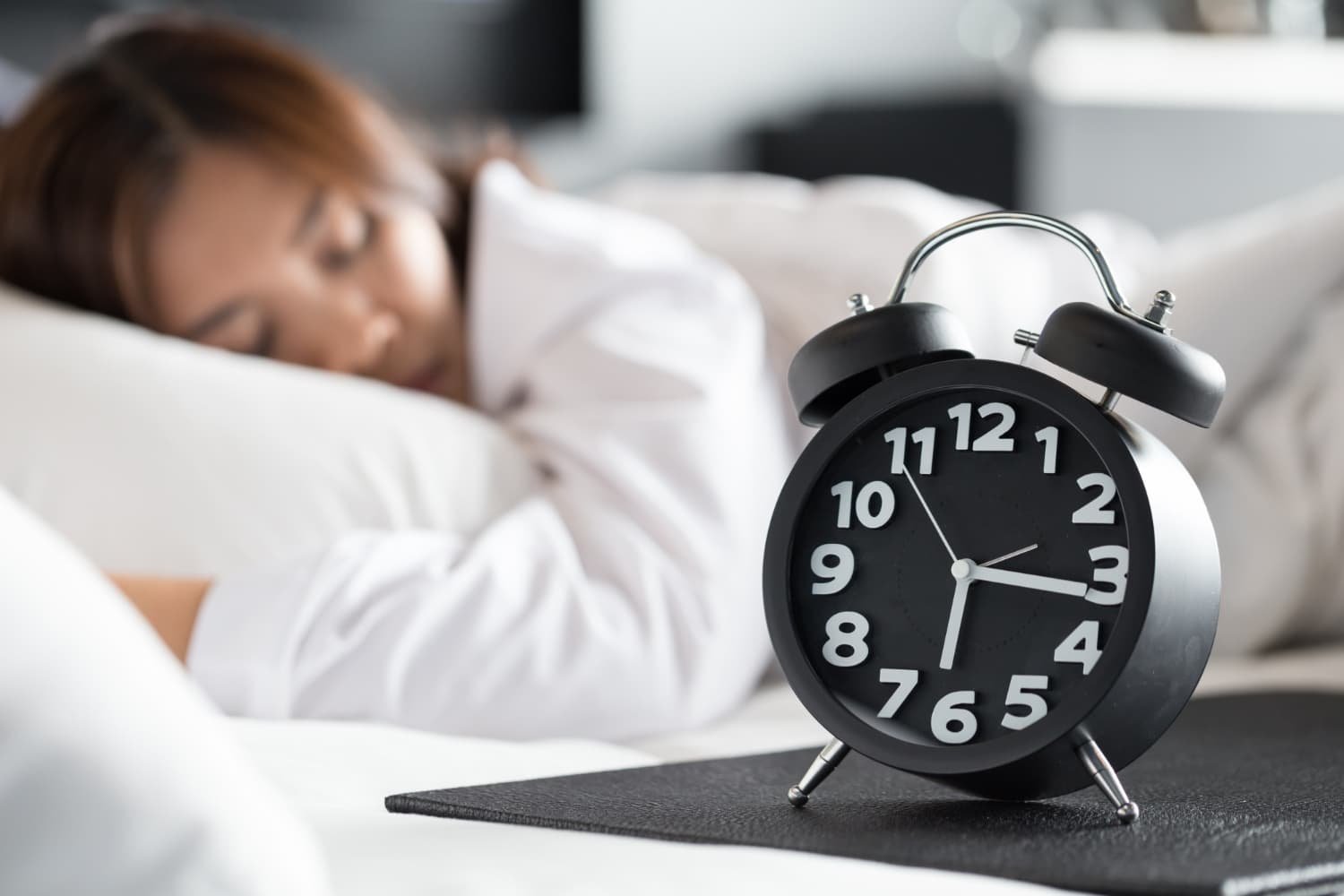
Many factors play a role in preparing your body to fall asleep and wake up. You have an internal "body clock" that controls when you're awake and when your body is ready for sleep.
The body clock typically has a 24-hour repeating rhythm (called the circadian rhythm). Two processes interact to control this rhythm. The first is a pressure to sleep that builds with every hour that you're awake. This drive for sleep reaches a peak in the evening, when most people fall asleep.
A second process involves your internal body clock. This clock is in sync with certain cues in the environment. Light, darkness, and other cues help determine when you feel awake and when you feel drowsy.
For example, light signals received through your eyes tell a special area in your brain that it is daytime. This area of your brain helps align your body clock with periods of the day and night.
Your body releases chemicals in a daily rhythm, which your body clock controls. When it gets dark, your body releases a hormone called melatonin (mel-ah-TONE-in). Melatonin signals your body that it's time to prepare for sleep, and it helps you feel drowsy.
The amount of melatonin in your bloodstream peaks as the evening wears on. Researchers believe this peak is an important part of preparing your body for sleep.
Exposure to bright artificial light in the late evening can disrupt this process, making it hard to fall asleep. Examples of bright artificial light include the light from a TV screen, computer screen, or a very bright alarm clock.
As the sun rises, your body releases cortisol (KOR-tih-sol). This hormone naturally prepares your body to wake up.
The rhythm and timing of the body clock change with age. Teens fall asleep later at night than younger children and adults. One reason for this is because melatonin is released and peaks later in the 24-hour cycle for teens. As a result, it's natural for many teens to prefer later bedtimes at night and sleep later in the morning than adults.
People also need more sleep early in life, when they're growing and developing. For example, newborns may sleep more than 16 hours a day and preschool-aged children need to take naps.
Young children tend to sleep more in the early evening. Teens tend to sleep more in the morning. Also, older adults tend to go to bed earlier and wake up earlier.
The patterns and types of sleep also change as people mature. For example, newborn infants spend more time in REM sleep. The amount of slow-wave sleep (a stage of non-REM sleep) peaks in early childhood and then drops sharply after puberty. It continues to decline as people age.
Sleep plays a vital role in good health and well-being throughout your life. Getting enough quality sleep at the right times can help protect your mental health, physical health, quality of life, and safety.
The way you feel while you're awake depends in part on what happens while you're sleeping. During sleep, your body is working to support healthy brain function and maintain your physical health. In children and teens, sleep also helps support growth and development.
The damage from sleep deficiency can occur in an instant (such as a car crash), or it can harm you over time. For example, ongoing sleep deficiency can raise your risk for some chronic health problems. It also can affect how well you think, react, work, learn, and get along with others.
Sleep helps your brain work properly. While you're sleeping, your brain is preparing for the next day. It's forming new pathways to help you learn and remember information.
Studies show that a good night's sleep improves learning. Whether you're learning math, how to play the guitar, how to perfect your straight drive or how to drive a car, sleep helps enhance your learning and problem-solving skills. Sleep also helps you pay attention, make decisions, and be creative
Studies also show that sleep deficiency alters activity in some parts of the brain. If you're sleep deficient, you may have trouble making decisions, solving problems, controlling your emotions and behavior, and coping with change. Sleep deficiency also has been linked to depression, suicide, and risk-taking behavior.
Children and teens that are sleep deficient may have problems getting along with others. They may feel angry and impulsive, have mood swings, feel sad or depressed, or lack motivation. They also may have problems paying attention, and they may get lower grades and feel stressed.
Sleep plays an important role in your physical health. For example, sleep is involved in healing and repair of your heart and blood vessels. Ongoing sleep deficiency is linked to an increased risk of heart disease, kidney disease, high blood pressure, diabetes, and stroke.
Sleep deficiency also increases the risk of obesity. For example, one study of teenagers showed that with each hour of sleep lost, the odds of becoming obese went up. Sleep deficiency increases the risk of obesity in other age groups as well.
Sleep helps maintain a healthy balance of the hormones that make you feel hungry (ghrelin) or full (leptin). When you don't get enough sleep, your level of ghrelin goes up and your level of leptin goes down. This makes you feel hungrier than when you're well-rested.
Sleep also affects how your body reacts to insulin, the hormone that controls your blood glucose (sugar) level. Sleep deficiency results in a higher than normal blood sugar level, which may increase your risk for diabetes.
Sleep also supports healthy growth and development. Deep sleep triggers the body to release the hormone that promotes normal growth in children and teens. This hormone also boosts muscle mass and helps repair cells and tissues in children, teens, and adults. Sleep also plays a role in puberty and fertility.
Your immune system relies on sleep to stay healthy. This system defends your body against foreign or harmful substances. Ongoing sleep deficiency can change the way in which your immune system responds. For example, if you're sleep deficient, you may have trouble fighting common infections.
Getting enough quality sleep at the right times helps you function well throughout the day. People who are sleep deficient are less productive at work and school. They take longer to finish tasks, have a slower reaction time, and make more mistakes.
After several nights of losing sleep—even a loss of just 1–2 hours per night—your ability to function suffers as if you haven't slept at all for a day or two.
Lack of sleep also may lead to micro sleep. Microsleep refers to brief moments of sleep that occur when you're normally awake.
You can't control microsleep, and you might not be aware of it. For example, have you ever driven somewhere and then not remembered part of the trip? If so, you may have experienced microsleep.
Even if you're not driving, microsleep can affect how you function. If you're listening to a lecture, for example, you might miss some of the information or feel like you don't understand the point. In reality, though, you may have slept through part of the lecture and not been aware of it.
Some people aren't aware of the risks of sleep deficiency. In fact, they may not even realize that they're sleep deficient. Even with limited or poor-quality sleep, they may still think that they can function well.
For example, drowsy drivers may feel capable of driving. Yet, studies show that sleep deficiency harms your driving ability as much as, or more than, being drunk.
Drivers aren't the only ones affected by sleep deficiency. It can affect people in all lines of work, including health care workers, pilots, students, lawyers, mechanics, and assembly line workers.
As a result, sleep deficiency is not only harmful on a personal level, but it also can cause large-scale damage. For example, sleep deficiency has played a role in human errors linked to tragic accidents, such as nuclear reactor meltdowns, grounding of large ships, and aviation accidents.
The amount of sleep you need each day will change over the course of your life. Although sleep needs vary from person to person, the chart below shows general recommendations for different age groups.
| Age | Recommended Amount of Sleep |
|---|---|
| Newborns | 16–18 hours a day |
| Preschool-aged children | 11–12 hours a day |
| School-aged children | At least 10 hours a day |
| Teens | 9–10 hours a day |
| Adults (including the elderly) | 7–8 hours a day |
If you routinely lose sleep or choose to sleep less than needed, the sleep loss adds up. The total sleep lost is called your sleep debt. For example, if you lose 2 hours of sleep each night, you'll have a sleep debt of 14 hours after a week.
Some people nap as a way to deal with sleepiness. Naps may provide a short-term boost in alertness and performance. However, napping doesn't provide all of the other benefits of night - time sleep. Thus, you can't really make up for lost sleep
Some people sleep more on their days off than on work days. They also may go to bed later and get up later on days off.
Sleeping more on days off might be a sign that you aren't getting enough sleep. Although extra sleep on days off might help you feel better, it can upset your body's sleep – wake rhythm.
Bad sleep habits and long-term sleep loss will affect your health. If you're worried about whether you're getting enough sleep, try using a sleep diary for a couple of weeks.
Write down how much you sleep each night, how alert and rested you feel in the morning, and how sleepy you feel during the day. Show the results to your doctor and talk about how you can improve your sleep.
Sleeping when your body is ready to sleep also is very important. Sleep deficiency can affect people even when they sleep the total number of hours recommended for their age group.
For example, people whose sleep is out of sync with their body clocks (such as shift workers) or routinely interrupted (such as caregivers or emergency responders) might need to pay special attention to their sleep needs.
If your job or daily routine limits your ability to get enough sleep or sleep at the right times, talk with your doctor. You also should talk with your doctor if you sleep more than 8 hours a night, but don't feel well rested. You may have a sleep disorder or other health problem.
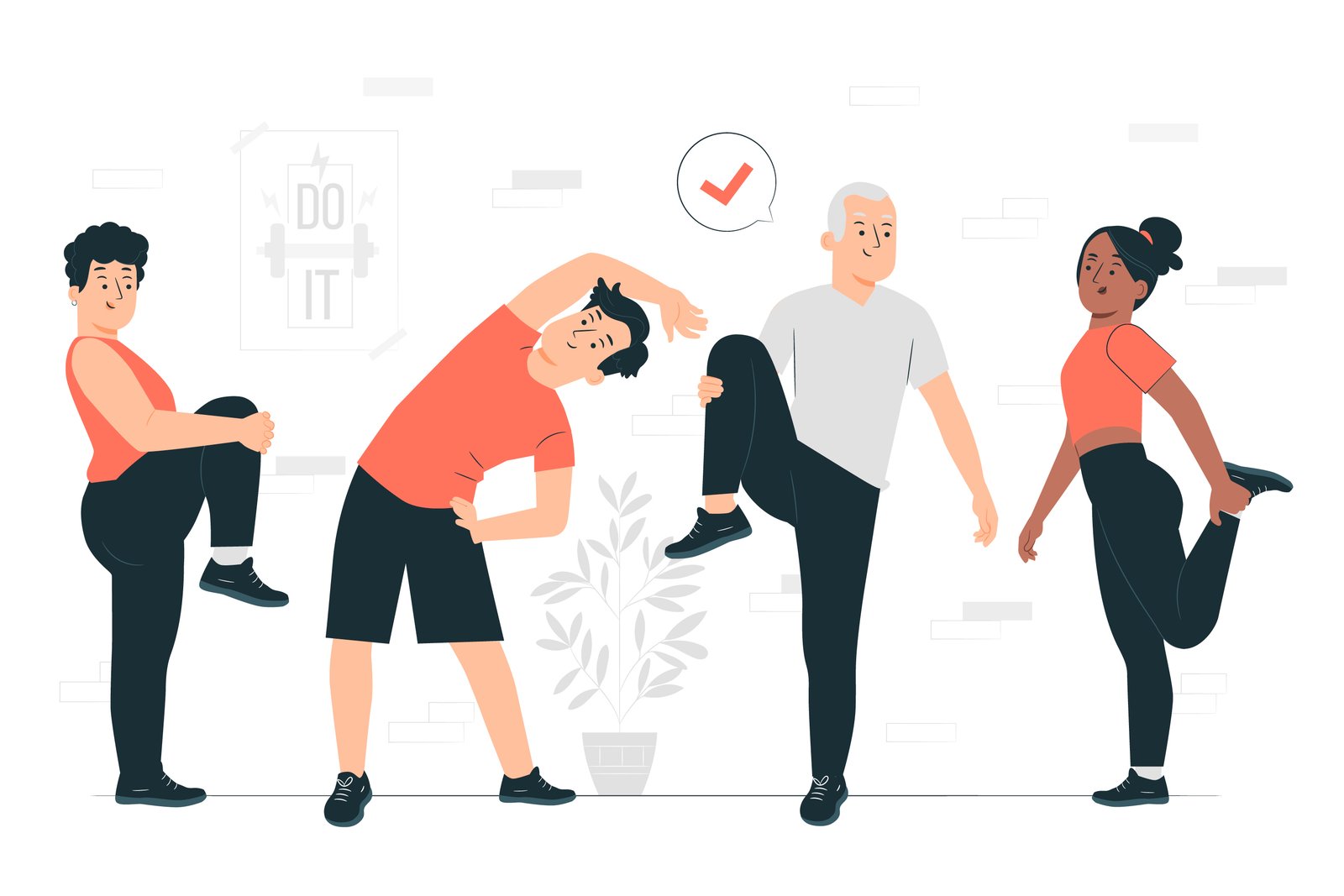
Regular physical activity is one of the most important things you can do for your health. It can help
Fitting regular exercise into your daily schedule may seem difficult at first. But even ten minutes at a time is fine. The key is to find the right exercise for you. It should be fun and should match your abilities.
Want to feel better, have more energy and perhaps even live longer? Look no further than exercise. The health benefits of regular exercise and physical activity are hard to ignore. And the benefits of exercise are yours for the taking, regardless of your age, sex or physical ability. Need more convincing to exercise? Check out these seven ways exercise can improve your life.
Exercise can help prevent excess weight gain or help maintain weight loss. When you engage in physical activity, you burn calories. The more intense the activity, the more calories you burn. You don't need to set aside large chunks of time for exercise to reap weight - loss benefits. If you can't do an actual workout, get more active throughout the day in simple ways - by taking the stairs instead of the elevator or revving up your household chores.
Worried about heart disease? Hoping to prevent high blood pressure? No matter what your current weight, being active boosts high-density lipoprotein (HDL), or "good," cholesterol and decreases unhealthy triglycerides. This one - two punch keeps your blood flowing smoothly, which decreases your risk of cardiovascular diseases. In fact, regular physical activity can help you prevent or manage a wide range of health problems and concerns, including stroke, metabolic syndrome, type 2 diabetes, depression, certain types of cancer, arthritis and falls.
Need an emotional lift? Or need to blow off some steam after a stressful day? A workout at the gym or a brisk 30-minute walk can help. Physical activity stimulates various brain chemicals that may leave you feeling happier and more relaxed. You may also feel better about your appearance and yourself when you exercise regularly, which can boost your confidence and improve your self-esteem.
Winded by grocery shopping or household chores? Regular physical activity can improve your muscle strength and boost your endurance. Exercise and physical activity deliver oxygen and nutrients to your tissues and help your cardiovascular system work more efficiently. And when your heart and lungs work more efficiently, you have more energy to go about your daily chores.
Struggling to fall asleep? Or to stay asleep? Regular physical activity can help you fall asleep faster and deepen your sleep. Just don't exercise too close to bedtime, or you may be too energized to fall asleep.
Do you feel too tired or too out of shape to enjoy physical intimacy? Regular physical activity can leave you feeling energized and looking better, which may have a positive effect on your sex life. But there's more to it than that. Regular physical activity can lead to enhanced arousal for women. And men who exercise regularly are less likely to have problems with erectile dysfunction than are men who don't exercise.
Exercise and physical activity can be a fun way to spend some time. It gives you a chance to unwind, enjoy the outdoors or simply engage in activities that make you happy. Physical activity can also help you connect with family or friends in a fun social setting. So, take a dance class, hit the hiking trails or join a cricket or soccer team. Find a physical activity you enjoy, and just do it. If you get bored, try something new.
Exercise and physical activity are a great way to feel better, gain health benefits and have fun. As a general goal, aim for at least 30 minutes of physical activity every day. If you want to lose weight or meet specific fitness goals, you may need to exercise more. Remember to check with your doctor before starting a new exercise program, especially if you haven't exercised for a long time, have chronic health problems, such as heart disease, diabetes or arthritis, or you have any concerns.

Body smells are caused by a number of factors working in combination, including:
Most infections, especially colds and gastroenteritis, are caught when we put our unwashed hands, which have germs on them, to our mouth. Some infections are caught when other people's dirty hands touch the food we eat. Hands and wrists should be washed with clean soap and water, using a brush if your fingernails are dirty. Dry your hands with something clean, such as paper towels or hot air dryers. You should always wash your hands:
The vagina is able to clean itself no special care is needed, other than washing the external genitals. Do not put anything like douches into the vagina, as the delicate skin can be damaged. Here are some personal hygiene suggestions for women:
A build-up of secretions called smegma can form under the foreskin of uncircumcised men. If you are uncircumcised, gently pull back the foreskin when you have a shower and clean with water. You can use soap if you like, but make sure you rinse it off well.
Good dental hygiene includes regular brushing and flossing. Bad breath can be caused by diseases of the teeth, gums and mouth, such as infections. Most people have bad breath first thing in the morning because saliva is not made while you're asleep. Some foods that can cause bad breath include garlic and onion. Mouth washes, mouth sprays and flavored chewing gum can make your breath smell better for a while, but if you have a health problem in your mouth, you need to see your dentist.
When travelling overseas, take special care if you're not sure whether the water is safe. Suggestions include:
If someone is unable to produce enough insulin, or if the body's cells are resistant to its effects (insulin resistance), then less glucose is transported from the blood into cells. Blood glucose levels remain high but the body's cells "starve." This can cause both short-term and long-term health problems, depending on the severity of the insulin deficiency and/or resistance. Diabetics typically have to control their blood glucose levels on a daily basis and over time to avoid health problems and complications. Treatment, which may involve specialized diets, exercise and/or medications, including insulin, aims to ensure that blood glucose does not get too high or too low.

Spirituality is the way you find meaning, hope, comfort and inner peace in your life. Many people find spirituality through religion. Some find it through music, art or a connection with nature. Others find it in their values and principles.
No one really knows for sure how spirituality is related to health. However, it seems the body, mind and spirit are connected. The health of any one of these elements seems to affect the health, of the others.
Some research shows that things such as positive beliefs, comfort and strength gained from religion, meditation and prayer can contribute to healing and a sense of well being. Improving your spiritual health may not cure an illness, but it may help you feel better, prevent some health problems and help you cope with illness, stress or death.
If you want to improve your spiritual health, you may want to try the following ideas. However, remember that everyone is different, so what works for others may not work for you. Do what is comfortable for you.

Your health care provider can recommend how often you might want to schedule a visit.
Another part of preventive health is learning to recognize changes in your body that may not be normal. This is so you can see your health care provider right away.